BUY ONLINE

CHOOSE FROM ONE OF OUR ONLINE OUTLETS.

OR

BUY ON OUR ONLINE BOUTIQUE

Agility – Fun for you and your Furry Friend

Are you looking for an awesome way to bond with your dog and get some exercise?  Agility training could be for you.

What is Agility?

Agility is a training sport.  You train your dog to run an obstacle course that includes jumps, tunnels, weave poles, dog walks, teeter-totters, and others obstacles.  You race against time while trying to complete the obstacles as accurately as possible.

There are different events for all levels of experience.  Agility is a great way to get outside for some fun and exercise with your favorite, furry canine and other dog lovers!

Benefits

Exercise: Dogs get bored – they need things to do just like people.  Many pet behaviourists and veterinarians agree that dogs need plenty of exercise – both mentally and physically.  Training your dog for Agility helps keep your dog’s mind and body in shape.  You will also get some great exercise while running through the course with your pooch. 

Bonding: Agility is a great way to bond with your dog.  Through the training your dog will rely on your commands for guidance through the course.  It’s a great way to improve communication with your dog and ensure your dog is well trained.

Behaviour: Just like people, dogs behave better when they are entertained – when they have places to go, things to do, and dogs to see.  Dogs that take part in Agility are less likely to have behavioural and health problems.  Problems like chewing, digging, barking, and hyperactivity are far less common in Agility dogs than dogs that don’t get enough socialization and exercise. 

For dogs who might be timid or fearful Agility helps build confidence and trust.  Confidence and trust go a long way toward helping your dog overcome fearful and timid behaviour.  

Before you Start

·         Look up agility clubs in your area

·         Make sure your dog meets the qualifications – such as age

·         Make sure your dog is in good health – vaccines and checkups are up to date

·         Check out for more information on local clubs www.akc.org/dog_shows_trials/agility/links.cfm#gettingstarted in the US

If you’re looking for a fun, rewarding, and unique activity you can do with your pup make sure you look into Agility!

Are you in Agility?  We want to hear from you!  Go to https://www.facebook.com/DoonGo and share your experiences and tips with us J
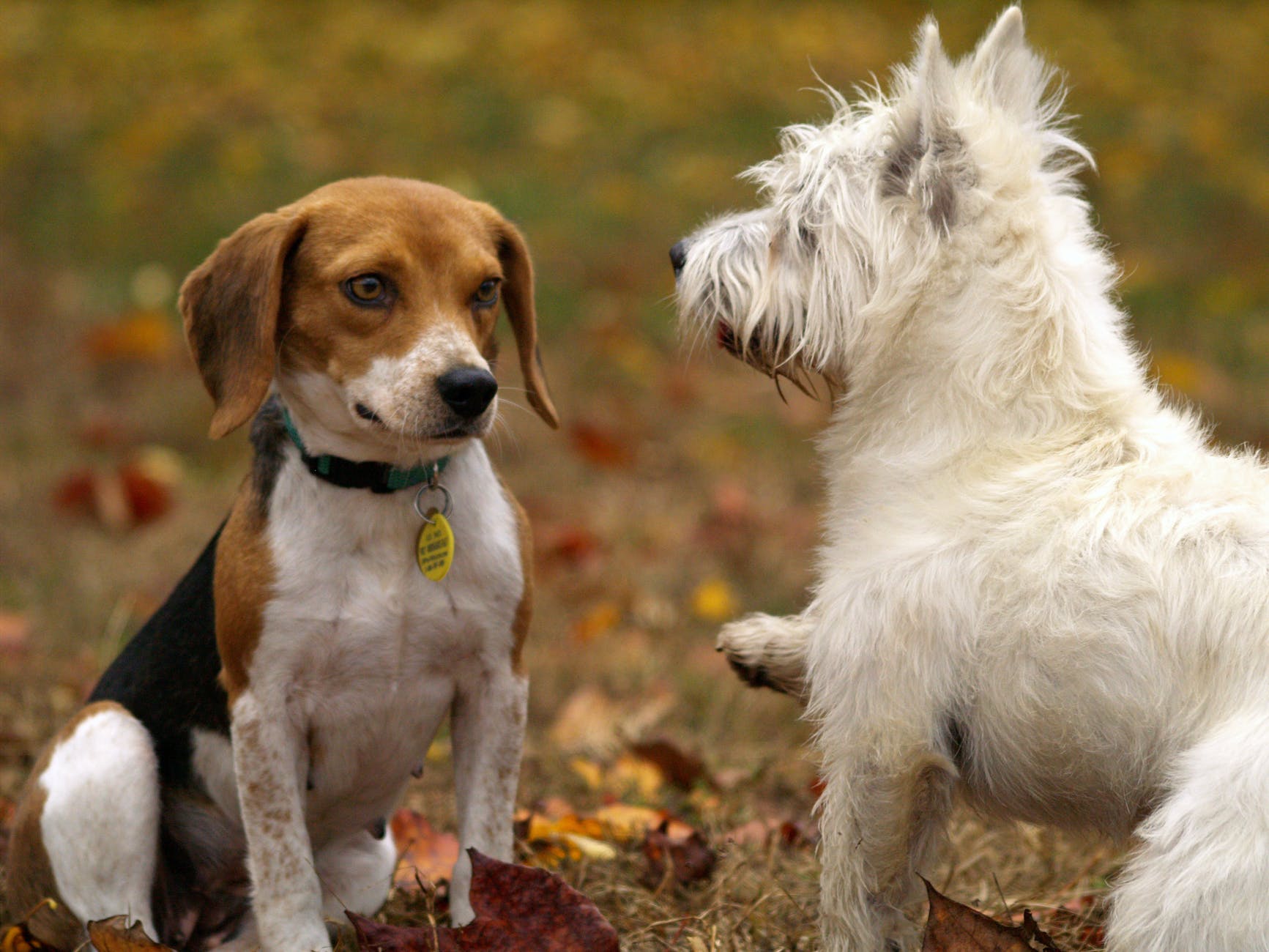
Etiquette at the Off Leash Dog Park

Why is this Important? The dog park can be a risky place for dogs.  With a lot of action going on everywhere dogs can become frightened or aggressive leading to fights among the dogs.  This blog will give you some etiquette do’s and don’ts to help you avoid a bad experience at an off leash area.

Don’ts

  • Don’t keep your dog on his/her leash in the off leash area – leashes can be a hazard.  Leashed dogs can become tangled in their leash and cause injuries to themselves or other dogs.
  • Don’t feed other dogs – some dogs are on special diets.  Dogs, like people, may have allergies and digestive distress.  Don’t feed other people’s dogs without their permission.
  • Don’t bring puppies less than 1 year old or puppies with incomplete vaccinations – this is a safety hazard.  Unvaccinated dogs have a greater chance of picking up parasites or other health issues at the park.
  • Don’t bring dogs with poor recall skills – poor recall skills mean your dog won’t come when called.  Make sure that you’ve trained your dog to come when called even in a busy environment like an off leash dog park.
  • Don’t allow dogs to work out their differences – just like people dogs can be jerks.  Allowing dogs to “work out” their problems can lead to fights and injuries.  A dog that needs to assert his/her dominance isn’t ready for the dog park s/he needs more training and socialization.

Do’s

  • Do pick up after your dog – leaving your pup’s poop everywhere is unhealthy and gross.  There are several parasites that your dog can get from poop.  Don’t forget your poop bogs.
  • Do exercise your dog before going to the dog park – sounds weird, I know.  Dogs with a lot of energy are more likely to chase and play rough.  This can lead to fights and injuries.  Let your dog work out some excess energy before going to the off leash park.
  • Do train your dog – training is very important for socialization.  Just like for people first impressions have a large impact.  Rude behaviour can lead to fights among both dogs and their owners.
  • Do remove prong collars and harnesses – these can cause injuries for other dogs.
  • Do pay attention – keep an eye on your dog.  Just like kids dogs can get into trouble.  Make sure you pay attention while your dog is playing in the park.  This way you can act quickly if your dog is wreaking havoc or if there’s a fight.

There are just a few of the do’s and don’ts concerning dog park etiquette.  For more information check: http://www.mnn.com/family/pets/stories/15-things-humans-do-wrong-at-dog-parks If we missed anything or your have any tips let us know on our Facebook page: https://www.facebook.com/DoonGo

***If you ever need to perform first aid measures on your pet you must ALWAYS seek veterinary attention afterward.***

Why is this Important?

It’s Pet First Aid Month!  Do you have a pet first aid kit?  As much as we think of our pets as furry, four-legged humans they require different care and attention. This blog will give you information on what you need to make your own pet first aid kit for home and for travel so you can always be prepared when the worst happens.  You will also learn how to handle your injured pet before you leave for the vet/clinic.

If you’re wondering about something that wasn’t covered check out the Pet Health section of our links page: http://www.doo-n-go.com/links/

First Aid Supplies

According to the American Veterinary Medical Association (AVMA) the following items belong in your Pet First Aid kit:

  • Phone numbers – for your vet, your closest 24 hour emergency animal hospital, and Animal Poison Control
  • Medical History – a list of your pet’s medications, vaccinations, allergies, and any other special instructions
  • Gauze
  • Non-stick bandages, towels, or strips of clean cloth
  • Tape for bandages – do not use human medical tape, you’ll have to get some specifically for pets
  • Milk of Magnesia and/or activated charcoal and/or 3% hydrogen peroxide – never use either of these without instructions from your vet or poison control
  • Digital rectal thermometer
  • Eye dropper and a large, needle-less syringe
  • Muzzle, rope, soft cloth, small towel – never use a muzzle when your pet is vomiting
  • Leash
  • Stretcher – to be used if you must transport your pet and your pet is not able to walk
  • Vaseline or KY Jelly
  • Tweezers
  • Nail Clippers
  • Styptic Powder
  • Hemostats
  • Blankets

For more information check out https://www.avma.org/public/EmergencyCare/Pages/Supplies-Checklist.aspx

How to Handle your Injured Pet

If your pet is injured you must approach with care.  Here is the advice from the AVMA:

  • Never assume an injured pet will not bite or scratch you – an injured pet is in all likelihood scared and in pain
  • Do not hug an injured pet and be sure to keep you face away from its mouth
  • Try to examine your pet, stop immediately if your pet becomes agitated
  • Call your vet or the emergency clinic before you move your pet so they can be ready for you when you arrive
  • It may be necessary to muzzle your pet if it’s biting you – never use a muzzle if you pet is vomiting
  • If possible try to splint or bandage your injured pet before you leave for the vet/clinic
  • While transporting your pet keep it confined to reduce the risk of injury – pet carriers, a box or container, something that can act as a stretcher, a blanket – anything that will prevent them from moving around while ensuring they have enough air

To read more about handling your injured pet check: https://www.avma.org/public/EmergencyCare/Pages/Handling-an-Injured-Pet.aspx

First Aid when Travelling with your Pet

  • Prepare a travel sized first aid kit that includes the products listed above.  You may also want to include an anti-diarrhea medication – ask your vet for one that’s safe for animals
  • Ensure you have the appropriate phone numbers – your vet, animal poison control, a vet and 24 hour emergency clinic in the area you’re travelling to
  • Ensure you pet is wearing an ID tag with your name, address, and phone number, ensure there is a travel ID tag with your name and the address and phone number of the place you’re staying

For more information about travelling with your pet check out: https://www.avma.org/public/EmergencyCare/Pages/First-Aid-When-Traveling.aspx

If you’re looking for more information check out any of the links posted throughout the blog.  You may also be interested in this link as well: http://www.veterinarypartner.com/Content.plx?P=SRC&S=1&SourceID=20

Did we miss anything?  Do you have tips, tricks, or questions about pet first aid?  Let us know on our Facebook page: http://www.facebook.com/DoonGo

"I’ve been using Doo N Go bags for years and love it, the quality is fantastic"

Alan H., Google Reviews

POOP BAG DEALS!

Sign up to get the latest coupons, offers and more...