BUY ONLINE

CHOOSE FROM ONE OF OUR ONLINE OUTLETS.

OR

BUY ON OUR ONLINE BOUTIQUE

Preparing your Pet for Spring

Why this is important?

Spring is coming!  As the weather turns warm you and your pets are going to want to spend more time outside.  Before you let your pets bask in the sun it’s a good idea to make sure your pet is ready.  Here are some things you might want to consider before you get in the swing of spring…

Grooming

Fluffy and Fido still have their winter coats.  As the weather warms they’re going to start shedding like crazy.  To combat large fur balls littering your floor brush your pets more regularly.

If either Fluffy or Fido has a particularly long or thick coat it might be time for a trip to the groomer.  Groomers can brush out the much of your pet’s winter coat.  A well groomed coat makes sure that Fluffy and Fido won’t over heat, and that your floor won’t be covered in fur.

Allergies

Did you know that your pet can suffer allergies just like you can?  Your pets can be allergic to pollen and some plants during the spring.  Here are some symptoms to look out for: running nose, sneezing, watery eyes, and coughing.  If you notice any symptoms it’s time to talk to your vet.

Vet Visit

The spring is also a good time to schedule your pet for a check-up.  The vet can give you a good idea of your pet’s health and make sure your pet’s vaccinations are up to day.  Also, your vet can give you advice on your pet’s diet and the type of exercise they need after the winter.

Heart Worms
Mosquitos will soon be making an appearance.  These little pests spread heart worms to cats and dogs.  While you’re at the vet you can have your pet de-wormed and talk to the vet about precautions you can take against other pests and worms.

Exercise

It’s time to start exercising outside again!  Make sure you take it slow – don’t expect Fido to be able to run a marathon after a winter inside.  Take it slow when returning to outdoor exercise.  Start with walks and short rounds of fetch.  As the spring moves toward summer you can increase intensity and frequency of exercise.  This way your pup won’t get injured.

For more information on prepping your pet for spring (including information of flea control) check out the following links:

http://www.pethealth.com.au/Page/spring-care-of-pets
http://blog.hartz.com/preparing-your-pet-for-spring/

How to Prepare Your Dog For Spring


http://www.whenpoochcomestoshove.com/preparing-dog-tick-season/
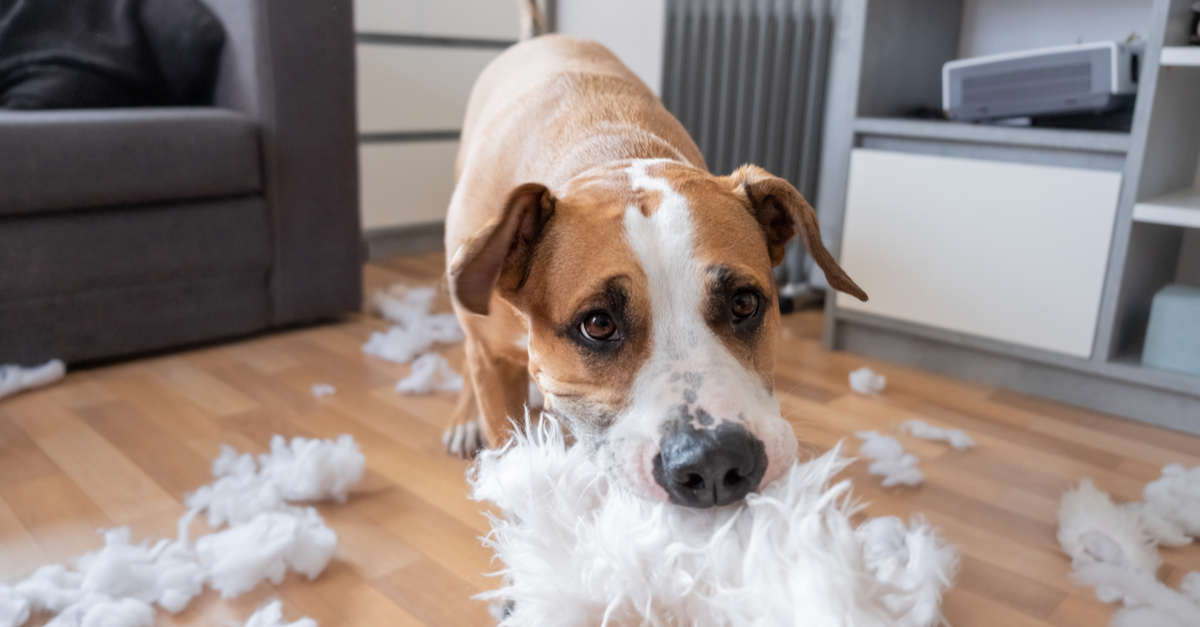
Common Dog Misbehaviours

Common Dog Misbehaviours

Your furry best friend can be a handful.  It’s important for you to train Fido calmly, and consistently.  We’re going to discuss some common dog misbehaviours:

  • Destructive behaviours (chewing, for example)
  • Digging
  • Jumping up
  • Barking

A change in schedule, poor or incomplete training, old age, puppyhood, separation anxiety, illness, and change in diet are just some of the reasons Fido might misbehave.  These behaviours can be frustrating for you and your dog.  You might even consider dropping Fido at a shelter.  Don’t give up on your furry friend.

Addressing these behaviours will lead to a long and happy friendship between you and your pup.  Check out the resources below for information about Common Misbehaviours.  If you need help consult your vet, a qualified trainer, or a pet behaviourist.

Separation Anxiety

Have you ever come home to find that Rover has chewed your shoes or destroyed his dog bed?  Destructive behaviour in puppies or dogs is often due to separation anxiety.  Rover might display separation anxiety in the following ways:

  • Destructive behaviour – chewing your personal items, like shoes or clothing, or destroying other household items is a way for Rover to be close to you when you’re gone
  • Howling and barking – howling and barking due to separation anxiety is how Rover vocalizes insecurity and nervousness
  • Soiling – Rover’s potty training may not be complete if he is soiling where he is not supposed to

To combat poor behaviour due to separation anxiety you’ll need to determine the root cause of the behaviour.  Is Rover fully trained?  Has Rover made the wrong associations when it comes to rewards and punishment?

Remember, dogs can get bored.  Try leaving puzzle toys for Rover to play with and remove items you don’t want destroyed.  Additionally, exercise can be a great way of curbing misbehaviour – a tired dog is less likely to get into trouble.

For more information about misbehaviour and separation anxiety, check out the following links:

http://dogcare.dailypuppy.com/dogs-misbehave-gone-1925.html

http://www.cnn.com/2011/LIVING/04/16/mnn.bad.dogs/

http://www.peteducation.com/article.cfm?c=2+1551&aid=164

Digging

Digging is an instinctual for dogs.  There are many reasons Lucky might dig in the yard.  But that doesn’t mean you can’t train her not to dig up your garden.  Like other misbehaviours listed here start by determining the cause of the behaviour.

Some things you might try to correct or mitigate the behaviour include:

  • Give Lucky her own area in the yard to dig in
  • Using deterrents, such as pepper, citrus, No-Dig, or Keep Off to stop Lucky from digging in the wrong place
  • Give Lucky lots of exercise and toys to keep her entertained

For more information about digging and possible solutions check out:

http://www.peteducation.com/article.cfm?c=2+1551&aid=1137

Jumping Up

Many dogs jump up as play or a way of challenging dominant pack members.  According to Dr. R. Foster, DVM, this behaviour can easily be corrected.  There are a couple methods of preventing Spot from jumping on you:

  • Body Block – position your body in a way that prevents Spot from jumping up.  This is done by extending a leg or knee
  • Ignore – if Spot does jump on you turn away from him and ignore him.  When Spot stops jumping and has all paws on the floor praise him with attention

For more information on jumping up check out:

http://www.peteducation.com/article.cfm?c=2+1551&aid=160

http://www.cesarsway.com/tips/puppytips/excerpt-from-how-to-raise-the-perfect-dog

Barking

Barking and howling are how dogs communicate.  It’s important for this behaviour to be trained in a consistent manner because it doesn’t just affect you but your neighbours as well.  There are several reasons Fluffy might bark including: attention, fear, warning, play, self-identification, boredom, and loneliness.  If Fluffy is barking for any of the reasons mentioned above check out the following comprehensive resources:

http://www.peteducation.com/article.cfm?c=2+1551&aid=153

http://www.humanesociety.org/animals/dogs/tips/how_to_stop_barking.html

Remember, exercise and mental stimulation are great ways to help prevent many of the misbehaviours on the list.

Does your dog have a misbehaviour that didn’t appear on the list?    Check out this resource:  http://www.peteducation.com/category.cfm?c=2+1551

Do you have any training tips that work?  Please share with us on our Facebook page: https://www.facebook.com/DoonGo

Potty Training your New Puppy

Why is this important?

Proper potty training helps to establish a trusting bond between you and your new best friend.  Poor potty training can lead to behavioural problems such as pooping or peeing indoors, and a poor connection between you and your puppy.

What will I need?

When potty training a new puppy here’s what you’ll need:

  • A leash, about 6 feet long
  • A create large enough for the puppy to stand, lay down, and turn around it (if you are crate training)
  • Puppy training pads or news paper
  • Baby gate(s) or collapsible play fence
  • Enzymatic cleaner for accidents (ammonia based cleaners will encourage your dog to urinate inside)
  • Paper towel
  • Poop bags
  • Treats for rewards

What to expect

According to the ASPCA most puppies can be reliably potty trained by the time they are 4-6 months old.  However, some puppies may experience accidents until they are 8 months to 1 year old.  Don’t expect overnight success if your puppy is relatively young and/or has had any house training yet.

Don’t expect your puppy to have mastered bladder control.  According to several sources a puppy can only be expected to “hold it” for 1 hour for each month of age.  You may have to make arrangements for your puppy if you expect to be out of the house a lot.

Potty Area and Training Steps

To start designate a potty area.  Like a baby your puppy will be excited and want to explore your home.  You’ll need to keep a close eye on her so she doesn’t potty all over your house.  If you can’t watch her constantly attach Spot to you using her leash.  If that doesn’t work for you confine your puppy to her own area when you can’t watch her.

Confinement sounds harsh but this is how puppies learn their den instinct.  Using baby gates or a collapsible play fence designate an area of your home that is only for your puppy.  At first, line the area with paper or puppy training pads for easy waste cleanup.  Also, put your pup’s bed, food, water, and toys in there.  As time goes you will notice that Spot only relieves herself in a specific area of her space; begin removing the paper/pads as required.

If you live in a place with easy access to the outdoors and you want Spot to eliminate outside follow these steps:

  • When your puppy wakes up, after a meal, after a drink of water, after play time, or right before bed attach Spot to her leash and take her outside (always make sure your puppy is on a leash while training, even in your own yard)
  • Always take her to the same place in the yard where you want her to do her business
  • Say “go potty” in a calm voice – do not get too excited you want Spot to associate potty time with good feelings
  • Allow her to sniff and move around while you calmly wait for her to eliminate – do not distract her with toys
  • Once Spot has finished eliminating clean up with a poop bag if necessary
  • Reward Spot will a lot of calm praise or a treat
  • Bring Spot back inside

You may want to use a method called “house training taxi service”.  For more information on this check out: http://www.perfectpaws.com/htrp.html

Scheduling

Your puppy will eliminate constantly while it’s young.  Putting Rover on a consistent feeding schedule will help you anticipate when he will need to do his business.

Feed your puppy according to your vet’s recommendation and stick to that schedule.  Once feeding is done watch your puppy for signs that he has to potty.  This may include circling, squatting, scratching at the door, sniffing around, or restless behaviour.  If you suspect your pup has to go pick him up and take him to the designated potty area.

Having a feeding schedule teaches your pup when to expect potty time.  Scheduling also helps you become familiarized with Rover’s potty timeline.

Calm consistency is key to success.

Accidents

Accidents are going to happen.  It’s important not to get angry or punish your puppy.  Instead you’ll want to correct the behaviour; dogs learn by immediate correction of behaviour.

If you catch Rover mid-pee follow these steps suggested by the ASPCA and the Humane Society:

  • Get Rover’s attention by clapping – he should be startled enough to stop peeing or pooping
  • Pick him up and take him to his potty area
  • Allow him to finish his business
  • Praise him for finishing in his potty area
  • Clean the soiled area with an appropriate cleanser such as an enzymatic cleanser

Rewards

Dogs learn better through positive reinforcement.  Make sure to reward your puppy with treats or praise.

Crating

For more information about how to use a crate while potty training check out these articles:

http://www.dailypuppy.com/articles/fastest-way-to-potty-train-a-puppy_834.html

http://www.humanesociety.org/animals/dogs/tips/crate_training.html

For more information on potty training for your puppy check out the following sources that informed with blog:

http://www.humanesociety.org/animals/dogs/tips/housetraining_puppies.html

http://www.aspca.org/pet-care/virtual-pet-behaviorist/dog-behavior/house-training-your-puppy

http://www.perfectpaws.com/htrp.html

http://www.dailypuppy.com/articles/fastest-way-to-potty-train-a-puppy_834.html

https://mysweetpuppy.net/30-awesome-puppy-care-tips/

Share with Us!

Do you have some potty training wisdom you didn’t see on this page?  Or do you have a question we didn’t answer?  Share you tips or ask your question on our Facebook page. 🙂

"Best dog poop bags ever and so friendly for the environment!"

Jonathan Y., Google Reviews

POOP BAG DEALS!

Sign up to get the latest coupons, offers and more...