BUY ONLINE

CHOOSE FROM ONE OF OUR ONLINE OUTLETS.

OR

BUY ON OUR ONLINE BOUTIQUE

Flea Season is Coming…

Why are Pets Susceptible to Fleas?

Fleas – just the word can make any pet owner shiver. The ASPCA states that dogs and cats are susceptible to fleas because fleas can be found everywhere your pet is and they are highly mobile. The fleas’ ability to jump and move long distances quickly makes easy for the little blood suckers to hitch a ride on your pet.

The jumping pests are notoriously difficult to get rid of. There are 2 important things every pet owner needs to know: 1) prevention is never 100% but it helps to mitigate the severity of a breakout, and 2) fleas have a 4 stage life cycle that lasts between 16-21 days. Successful flea treatment means targeting each stage of the cycle.

Which Pets are Most Prone to Fleas?

The blood suckers are found all over the place. But pets that live in warm and moist/humid climates have an increased risk of catching fleas. It won’t surprise you to learn that outdoor pets are more vulnerable to fleas.

In an article for Pet WebMd Dr. Jennifer Kvamme wrote that it only takes a few fleas to create an infestation. She goes on to say that there are 3 main contact points between pets and fleas:

  1. Other animals – wild animals/strays that frequent your yard/neighbourhood can introduce fleas to your yard, or other people’s pets your pet might meet
  2. Human transportation – fleas can attach themselves you your clothes, or shoes and hop onto your unsuspecting pet at an opportune moment
  3. Outside – the yard, dog parks, or your neighbourhood are all places your furry friend can encounter fleas

Prevention

Peak flea season generally starts in the warm spring months and end in early autumn depending on where you live. You’ll want to keep a close eye on Fluffy for signs of fleas. Here are some ways to prevent fleas suggested by Dr. Kvamme and the ASPCA:

  • Preventative flea treatments – talk to your vet first, some fleas medications for dogs are deadly poisonous to cats
  • Anti-flea landscaping – natural and chemical pesticides can be used in the yard to prevent or control and infestation (nematodes, and other microscopic worms eat flea larva). Also, add plants that naturally repel fleas (wormwood, eucalyptus, citronella, tansy, rue, and sweet bay are some examples)
  • Flea comb your pets on a regular basis
  • Wash your pet’s bedding on a regular basis

Natural Remedies

WebMD, the ASPCA, and Dr. Kvamme recommend trying natural flea remedies before going the chemical route. There is a great list of natural DIY flea remedies at everydayroots.com. The remedies include a flea collar, a flea deterring drink, and a flea bag http://everydayroots.com/flea-remedies. Be sure to check them out and let us know if they work for you.

Be Social

We love to hear from you. If you have any tips about fleas or natural treatment methods we want to hear from you. Talk to us on:

We hope to hear from you soon 🙂

Links

Want to check out the resources we mentioned in this blog? Check out the links below:

Protecting your Pets from Poisons

Protecting your Pets from Poisons

There are a lot of items in everyday life that are dangerous for your pets. You may not even realize that the cleaners or plants you have can make your dog or cat sick. This blog covers the most common pet poisons as well as some common misconceptions about pet poisons.

If you Think your Pet has Ingested a Poison

If your pet eats something poisonous call your vet or the Pet Poison Helpline immediately at 800-213-6680. If you think your pet has been poisoned here is a link to Pet Poison Helpline’s Emergency Instructions

Common Pet Poisons

These lists are the most common items that poison dogs and cats; they are based on Pet Poison Helpline’s call volume.

Dogs
  1. Chocolate
  2. Mouse and rat poisons
  3. Vitamin and mineral supplements (D3, iron, etc.)
  4. NSAIDS (ibuprofen, naproxen, etc.)
  5. Cardiac medications (beta-blockers, etc.)
  6. Cold and allergy medications (pseudoephedrine, etc.)
  7. Antidepressants (SSRIs, etc.)
  8. Xylitol and other sweeteners
  9. Pain killers (Tylenol, etc.)
  10. Caffeine Pills
Cats
  1. Topical spot-on insecticides
  2. Household cleaners
  3. Antidepressants
  4. Lilies
  5. Insoluble oxalate plants – calla lilies, arrowhead, peace lily, philodendron, umbrella plant, and other plants in the Araceae family, (a more in depth list of plants that are poison to cats and dogs can be found here)
  6. Human and veterinary NSAIDS – (ibuprofen, naproxen, etc.)
  7. Cold and flu medications – (Tylenol, etc.)
  8. Glow sticks
  9. ADD/ADHD medications and amphetamines
  10. Mouse and rat poisons

If your pet will eat anything it’s especially important to make sure that you keep your medications and supplements out of reach. Here are some other common poisons listed on the ASPCA website:

  • Household items – cleaning products and fire logs
  • People food – grapes, garlic/onions, raisins, avocado, coffee, salt, alcohol
  • Veterinary medications
  • Plants – American holly, aloe, apricot, and others
  • Lawn and garden products – fertilizers with bone meal and other animal products
  • Antifreeze

Common Misconceptions

Here are a few items that you may think are safe for your pet but you should keep them away from:

  • Milk – milk isn’t poisonous for cats but it isn’t healthy for them either. Cats don’t digest milk well and it can cause vomiting and diarrhea
  • Toilet water – in general toilet water isn’t dangerous for your pets. There is a risk that your pet can catch a bacterial infection from stagnant toilet water. Your pet might also experience stomach pain after drinking the water from a recently cleaned toilet bowl
  • Flea and tick medications – not all flea and tick medications are suitable for both cats and dogs. Flea and tick treatments containing permethrin can be deadly to cats

Looking for More?

Here are the sources used to write this blog:

Let’s be Social

Have a question or something to add? Let us know on Facebook

Remember to check us out on Instagram and Pinterest too!

Dental Care for your Pets

Have you ever taken your cat or dog to the dentist? It might sound funny, but just like you your pet’s dental wellbeing is a very important part of his overall health.

Your pet might already have dental health issues. The ASPCA lists these signs as warnings that your pet has dental health problems:

Cats:

  • A dark red line along the gums
  • Red and swollen gums
  • Ulcers on gums or tongue
  • Loose teeth
  • Pus
  • Difficulty chewing food
  • Excessive drooling and/or pawing at the mouth area
  • Abnormally bad breath

Dogs:

  • Abnormally bad breath
  • Excessive drooling
  • Inflamed gums
  • Tumors in the gums
  • Cysts under the tongue
  • Loose teeth


If you cat or dog has one or more of these signs contact your vet.

Brushing your Pet’s Teeth

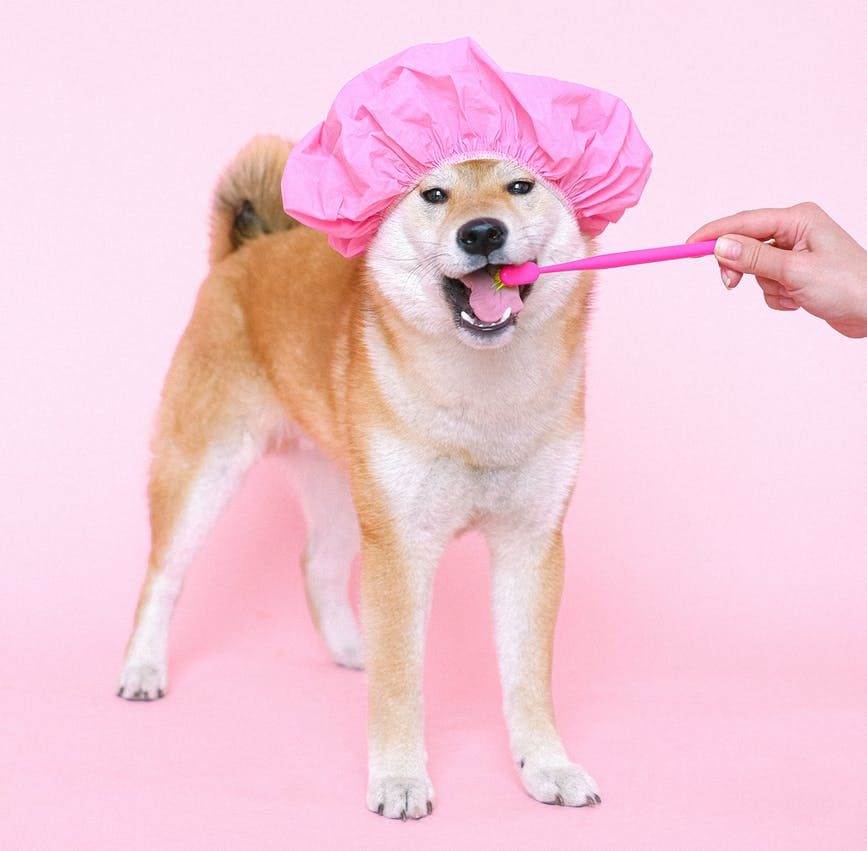
One of the best things you can do for your pet’s long term health is regularly brush their teeth. It won’t be easy but here are some tips to help you through it.

What you’ll need:

If you’re going to brush your pet’s teeth you’ll need the following:

Cats:

  • Cat tooth-brushing kit or cotton swabs
  • Feline formula toothpaste or salt water

Dogs:

  • Dog tooth-brushing kit or a piece of gauze
  • Canine formula toothpaste or water and baking soda

Never use human toothpaste of your pet. You can also ask your vet to recommend tooth-cleaning supplies.

Tips:
  • Start early – the younger your pet is when you start brushing her teeth the sooner she’ll become used to it
  • Start slowly – prep your pet before you put a tooth brush in his mouth, see the next section
  • Be consistent – try to keep a schedule so your pet comes to expect tooth-brushing time. Vets recommend brushing several times a week
  • Remain calm – if you’re stressed your pet will be stressed. Be calm and talk in a soothing voice
  • Use rewards – make sure to reward your pet with treats and affection for a job well done
  • Use pet foods and treats that help with dental care. Kibble type food is typically more tooth-friendly that wet or canned food. You can check out the Veterinary Oral Health Council website for recommended treats and foods and you can always check with your vet: http://www.vohc.org/accepted_products.htm
Brushing:

The ASPCA recommends the following steps for brushing both cat and dog teeth:

  1. Get your pet used to the idea of having their mouth/muzzle area touched. Spend a little time every day gently messaging their mouth/muzzle area with your fingers. Once your pet seems comfortable with that you can do the same using your finger on your pet’s gums. You will have to do this once or twice a day for a couple of weeks
  2. Put a little of the pet toothpaste on your pet’s lips so he can get used to the taste
  3. Once you and your pet are ready, introduce a tooth brush designed for pet. For cats you can use a cotton swab and for dogs you can use a piece of gauze wrapped around your finger instead of a pet tooth brush
  4. Apply toothpaste to the brush and gently brush your pet’s teeth. Don’t worry about getting all their teeth in a single sitting. If you pet starts to squirm let her go – finish the rest of her teeth during the next sitting
    • Brushing Technique (applies more to dogs than to cats):
      • Place the brush at a 45 degree angle to the teeth
      • Use small, gentle circular motions to clean teeth
      • When finishing up use downward strokes from the gums to remove tartar and plaque buildup from the gum line
      • Don’t worry too much about the inner side of your pet’s teeth – most of the tartar and plaque buildup is on the outside. You can brush the inner side once your pet becomes more comfortable with brushing

Free Poop Bags!

Want free poop bags? Enter our Pet Smile Photo Contest! It’s easy to enter, just follow these 2 steps:

  1. Post a picture of your pet’s smile on our Facebook page: https://www.facebook.com/DoonGo
  2. Email your picture to [email protected] so we can contact you if you win! Make sure you tell us your pet’s name, age, and breed if you know it!

Contest deadline to post and email photos is 11:55pm on February 22, 2015.   You must email your picture to [email protected] to be considered entered into the contest. For more details or to ask questions email us at [email protected] J

Let’s Get Social

Check us out on social media:

Share with Us

Have a comment or questions? Feel free to Leave a Reply in the section below.

Looking for More?

Looking for more information? Check out the resources used to make write this blog:

ASPCA:

Cesar’s Way:

Animal Planet:

Pet MD:

"Best dog poop bags ever and so friendly for the environment!"

Jonathan Y., Google Reviews

POOP BAG DEALS!

Sign up to get the latest coupons, offers and more...