BUY ONLINE

CHOOSE FROM ONE OF OUR ONLINE OUTLETS.

OR

BUY ON OUR ONLINE BOUTIQUE

Did you know that pets can become diabetic?  This blog discusses what pet diabetes is and its causes, signs and Symptoms, preventative measures, and resources for pet with the illness. What is Pet Diabetes and What are the Causes? Pet diabetes is very similar to human diabetes.  Insulin, made by the pancreas, allows your pet’s digestive system to absorb the glucose your pet gets from food; glucose is used for energy.  Pets with diabetes are not able to produce enough insulin to absorb the glucose in their bloodstream.  When this happens the glucose builds up in your pet’s bloodstream making them sick. The above information comes from MSD Animal Health http://www.petdiabetesmonth.com/PDF/PM09_0114B.pdf Type 1 diabetes often is the result of genetics and generally develops early in a pet’s life.  Pets are more likely to develop Type 2 diabetes.  This is the adult onset for of the disease and may be prevented. Causes According to the ASPCA there is some uncertainty regarding the causes of pet diabetes.  But the ASPCA cites the following factors that increase the likelihood of your pet developing the disease:

  • Autoimmune disease
  • Genetics
  • Obesity due to poor diet (high sugar/carb/grain diet depending on species) and a lack of exercise
  • Chronic pancreatitis
  • Abnormal protein deposits in the pancreas

For more about Pet Diabetes from the ASPCA https://www.aspca.org/pet-care/dog-care/diabetes Signs and Symptoms PetMD (http://www.petmd.com/dog/slideshows/general-health/top-ten-signs-your-pet-has-diabetes) cites the following symptoms in both cats and dogs:

  • Increase in thirst
  • Increase in urination
  • Increase appetite
  • Sudden weight loss and signs of malnutrition
  • Obesity
  • Weakness of Fatigue
  • Thinning or dull fur
  • Cloudy eyes
  • Lethargy
  • Vomiting

You may notice these symptoms over a relatively long period of time.  If you notice any combination of these symptoms in your dog or cat contact your vet. You may also want to check out this article from WebMD http://pets.webmd.com/dogs/diabetes-dogs-symptoms-treatments-dietary-management Prevention There is no 100% guarantee that you can prevent your pet from developing either Type1 or Type 2 diabetes.  However, the following tips can help you greatly reduce your pet’s risk of developing diabetes:

  • Exercise
  • Appropriate diet – your pet’s diet should be specific to his/her species and needs
  • Do not overfeed your pet
  • Stay away from human food
  • Healthy weight
  • Regular vet visits

The above information comes from the ASPCA https://www.aspca.org/pet-care/dog-care/diabetes Note: This blog is a compilation of careful, well-sourced, internet-based research.  All information comes from reputable resources that include veterinary doctors.  Should you have any questions, want to make changes to your pet’s lifestyle, or be under the impression your pet has Type 1 or 2 diabetes consult your veterinarian. Resources Education – this site hosts a great deal of information about pet diabetes including nutrition and diet information http://www.petdiabetes.com/ FAQs and Tips – this website includes FAQs about both feline and canine diabetes and tips for insulin injection http://www.cat-dog-diabetes.com/ Checklist for vet visit – this checklist has questions you can ask your vet about your pet’s care http://www.petdiabetesmonth.com/PDF/PM11_0066.pdf Info – this link includes a brochure with information about pet diabetes and a checklist for pet sitters if you ever have to leave your pet in someone else’s care http://www.petdiabetesmonth.com/links.asp Connect with Us Connect with us on FB at https://www.facebook.com/DoonGo.  Does your pet have diabetes?  Please share your tips or any online sources you know about for caring for diabetic pets.

Adopting a Senior Dog

November is Adopt a Senior Dog Month.  This blog defines what “senior” means and gives the positives of adopting a senior dog and an overview of what to expect when bringing your new senior dog home. What is a Senior Dog? According to the ASPCA dogs reach the senior stage of life on average between 7-10 years of age depending on their breed.  Big breeds reach senior-hood earlier than small breeds; large and giant breed dogs (51+ pounds) reach their golden years as early as 5. Positives of Adopting a Senior Dog There are a lot of misconceptions about adopting a senior dog.  This section includes information from Cesar’s Way and The Winnipeg Humane Society.  If you’re thinking of adding a dog to your life here are some things you might want to consider before deciding what dog to bring home:

  1. Old dogs can be taught new tricks.  Just because a dog is in the late stages of life doesn’t mean that it can’t learn.  Old dogs are just as capable as puppies at learning new things.
  2. Senior dogs generally don’t need to be trained.  Most old dogs already know basic commands like “sit” and “stay”.  Further, senior dogs are, in general, already potty trained.  This will save you a lot of time as you won’t have to worry about starting training from the beginning.
  3. Senior dogs are experienced dogs.  Old dogs are typically less excitable and calmer than younger dogs.  Senior dogs have already lived through the puppy stage and have experienced different living situations and types of people.  Many senior dogs have an even-keeled temperament which makes them good with children and less likely to destroy your home and shoes.
  4. Old dogs make great companions.  In general, older dogs already know how to accompany a person on a walk and how to play fetch.  You won’t have to train them to heel or bring you their favourite fetching toy.
  5. You might be saving a life.  Older dogs are often over looked at shelters in favour of younger dogs.  This means that older dogs are the first to be euthanized.  When you choose a senior dog you are likely saving its life.
  6. Senior dogs settle into your life quickly.  Senior dogs have pack experience – they know how to fit into your life and can adjust more readily than a young dog.

These are only a few of reasons adopting a senior dog is a great idea.  Remember, when adopting a new pet always look around first – find the pet that will fit your lifestyle. For more information on the benefits of adopting a senior dog check out:

Bringing a Senior Dog Home If you’ve made the decision to adopt a senior dog here are a few tips from Petfinder:

  1. Take it easy – don’t invite over a lot of people to meet your new dog on the first day.  If you have other pets introduce your new senior dog to them individually.
  2. Take the tour – take your senior dog on a guided tour of your home and yard.  Once the tour is done let your senior get settled into their space.
  3. Safe spot – provide your senior pup with his/her very own safe spot.  The spot doesn’t have to be secluded from the rest of the family.  Place your dog’s bed and toys there.
  4. Diet transition – if you’ve decided to change your senior dog’s food take it slow.  A sudden change in foods with very different qualities can make your dog sick.  Mix the old and new foods together for a week or so – slowly decrease the amount of the old food.

You may also want to arrange a vet visit with in the first week.  For more tips and information about your new senior dog’s first days at home check out:

PHOTO CONTEST Do you have a senior dog?  Go to our Facebook page (https://www.facebook.com/DoonGo) and post a picture of your senior pup along with your pup’s name, breed, and age. The contest closes November 12 at 11:55pm.  The winner will be announced November 15 on our Facebook pack. For more information or if you have any questions please feel free to contact us through our website: doo-n-go.com, Facebook page: https://www.facebook.com/DoonGo or email: [email protected]. Remember to Share: Do you know someone with a senior dog or who is thinking of adopting a dog?  Share our blog with them J

Pit Bulls

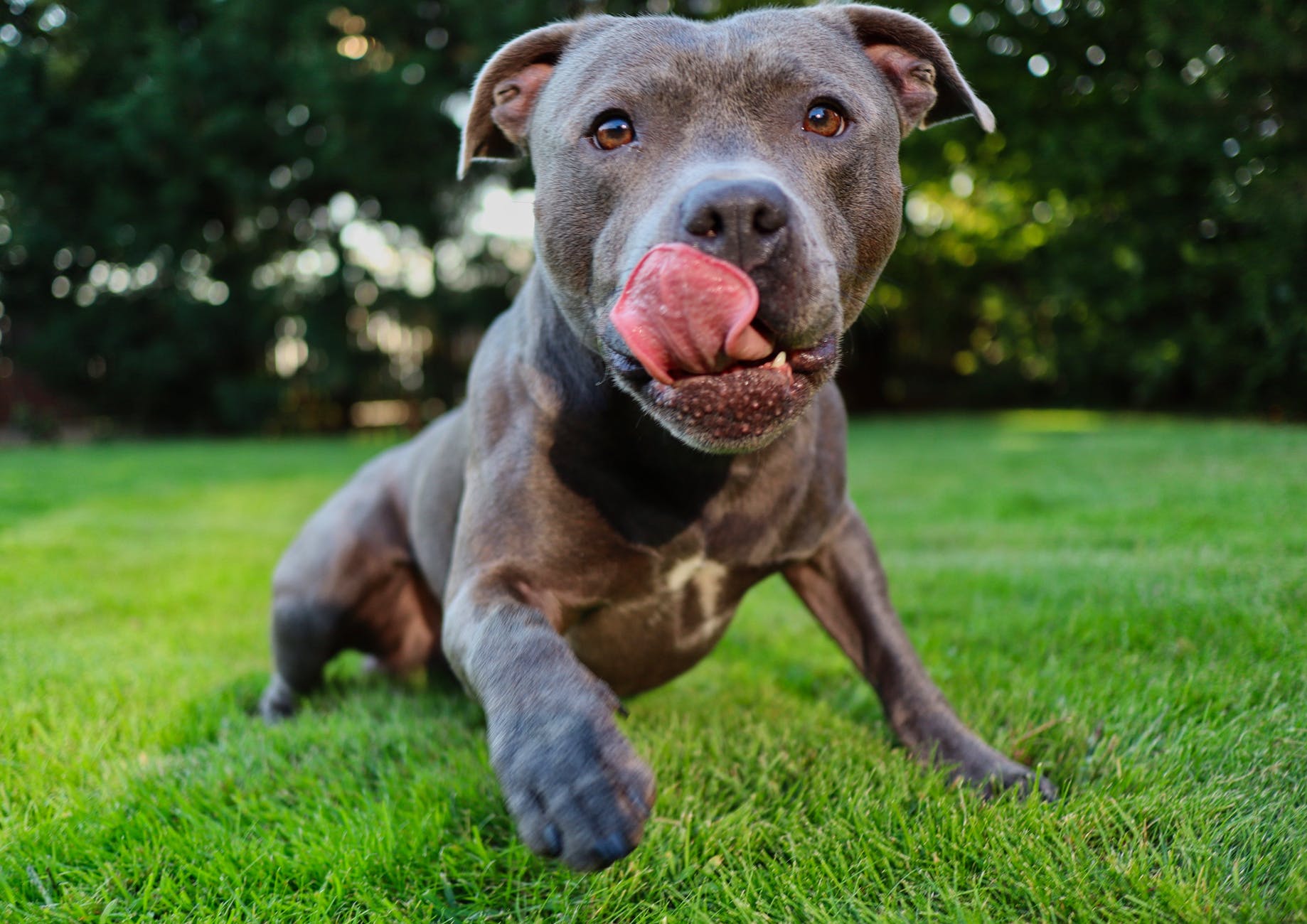
Pit bulls have a bad rep – a lot of people think of them as violent, unpredictable animals.  But it wasn’t until the mid-1980’s that Pit Bulls started to become public enemy number one.  Through the 20th century the Pit Bull was a popular family dog.  There were few, if any stories of Put Bulls attacking people; attacks were blamed on poor ownership, not on the breed.

What Changed

In an article for Cesar’s Way Jon Bastian talks about the history of the Pit Bull.  His article also pins points the 1980’s as when things changed for the breed.  You can read his article here.  In the 1980’s there were 3 major things that changed the way people think about Pit Bulls:

  1. A high profile Pit Bull attack that caused the death of a 2 years old boy – the dog was guarding a marijuana crop
  2. An increase in the use of Pit Bulls as guard and attack dogs – especially for organized crime
  3. Dog fighting became popular again and Pit Bulls were the dog of choice

By the 1990’s Pit Bull bans were common in the United States.

The Truth

The American Society for the Protection of Animals says that just because a breed is bred with certain traits doesn’t mean that each individual will display all these traits.  Behaviour develops through a complex process that includes environment, interaction, experience, genetics and even diet. Dogs are individuals regardless of their breed.  Responsible pet ownership is the only way to make sure that people and pets can live together.

Pit Bull Awareness Day

Pit Bull Awareness Day was created to educate people about the stereotypes and realities about Pit Bulls.

FREE

Do you have a Pit Bull?  The first 5 people to post a pic of their pup on doo-n-go’s Facebook page  will get a free 3 roll pack of doo-n-go.  Post must be before 11:55pm on Oct. 31, 2014, for more information about this promo contact us at [email protected].

Links

For more information about Pit Bull Awareness Day check: http://www.nationalpitbullawarenessday.org/ ASPCA Position Statement on Pit Bulls: https://www.aspca.org/about-us/aspca-policy-and-position-statements/position-statement-pit-bulls

https://dearcanine.com/pitbulls-attack-their-owners/

"Best dog poop bags ever and so friendly for the environment!"

Jonathan Y., Google Reviews

POOP BAG DEALS!

Sign up to get the latest coupons, offers and more...