BUY ONLINE

CHOOSE FROM ONE OF OUR ONLINE OUTLETS.

OR

BUY ON OUR ONLINE BOUTIQUE

Puppy Mill Awareness Day

Puppy Mill Awareness Day is dedicated to raising people’s awareness of the horrifying treatment and conditions in Puppy Mills.  The goal of Puppy Mill Awareness Day is to education people in the hope that they will change the way they find their pets.

What is a Puppy Mill?

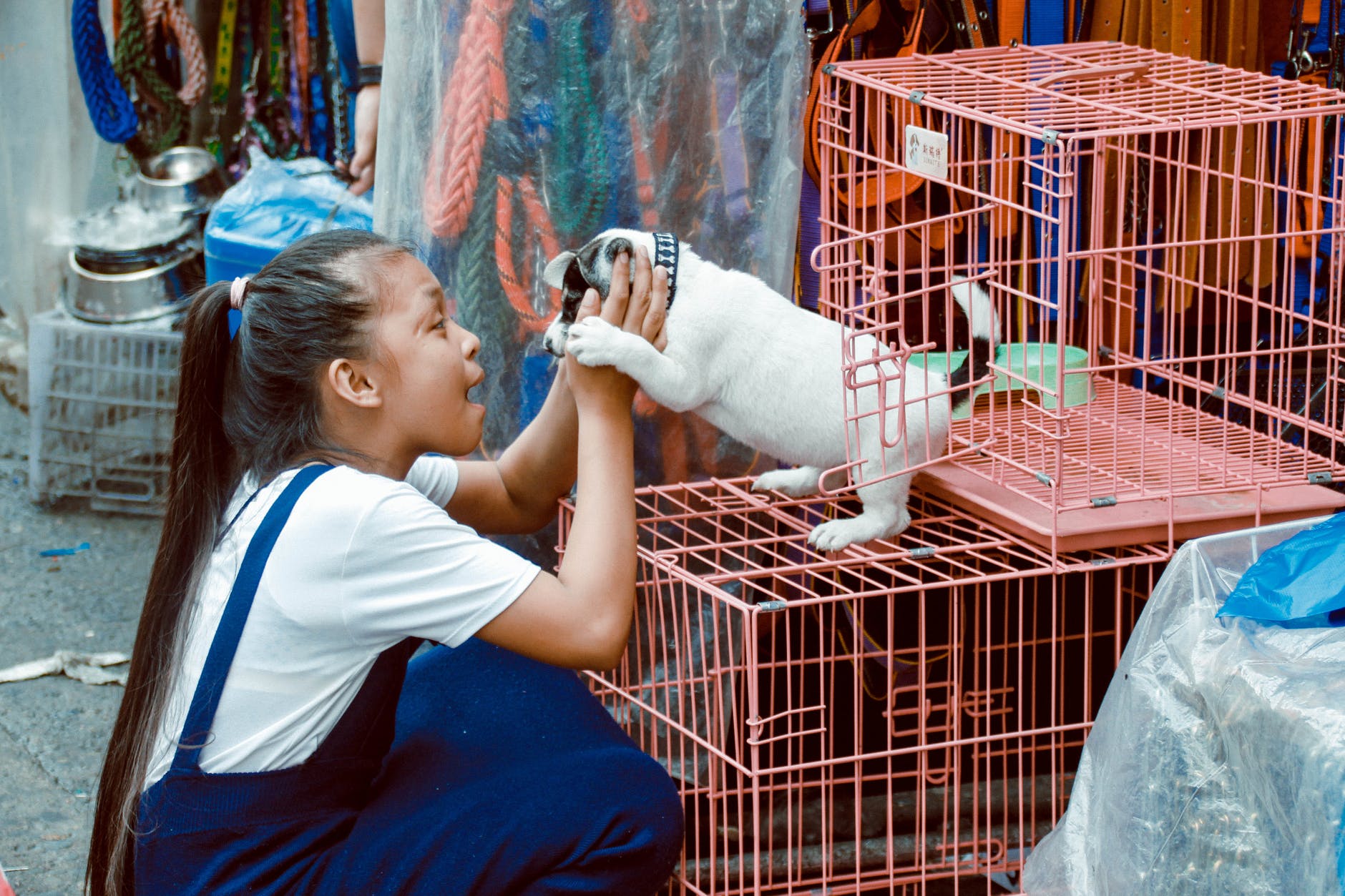
A Puppy Mill is basically a dog factory.  Puppy mill facilities produce large populations of puppies for sale in retail pet stores.  Unfortunately, these places are often disgustingly dirty and are known to treat the dogs cruelly.

Dogs are not the only ones suffering.  Cats are mass produced in kitten mills.  Kitten mills, like puppy mills are known for their deplorable and cruel conditions.  Kitten mills are typically smaller operations than puppy mills.

Conditions

Puppy mill dogs are crammed into small, dirty cages that are often outside year round.  The dogs are not fed regularly, the food is substandard at best, and clean water is not something puppy mill dogs have access to.  These conditions cause serious health problems for the dogs.  Many dogs suffer from:

  • Mange
  • Malnutrition
  • Exposure
  • Flea and other pest infestations
  • Worms
  • Infections

Even with serious health problems puppy mill dogs do not receive proper veterinary care.

Breeding

“Brood bitches” drive the puppy factory – they are the female dogs that are kept pregnant in order to keep the supply of puppies constant.  The breeding females live their entire lives in the puppy mill.  Even though they are constantly pregnant they are typically malnourished and rarely receive veterinary care.  Once a female dog can no long become pregnant (at about 7 years old) she is killed.

The puppies in puppy mills are often inbred and taken from their mother too soon (4-8 weeks old).  In many cases the puppies don’t know how to eat on their own and they die of starvation.  The inbreeding in puppy mills causes a large number of puppies to be born with genetic diseases and abnormalities – shortening life span severely.

The puppies are packed in crates without sufficient food and water for transportation to pet stores.  Many die on the way to retail stores.  Those that aren’t sold face an uncertain fate – they might end up back at the puppy mill, be sold for research purposes, or killed.

Why?

Breeders and retailers alike use puppy mills to provide customers with puppies the cheapest way they can.  Puppy mills keep costs low to the detriment of the animals.  Puppy mills cut corners in the care and treatment of animals in order to ensure their profits.

Making a Difference

You don’t have to be an activist to make a difference.  Here are some easy ways to make sure you’re not supporting puppy mills:

  • Don’t buy animals at pet stores – look into adoption or research reputable, local breeders
  • Don’t shop at stores that sell animals
  • Report animal abuse to the appropriate authorities
  • Help spread the awareness – share this blog with your friends


For more information about what you can do click this link: http://www.lcanimal.org/index.php/campaigns/puppy-mills/what-you-can-do

For more information about puppy mills check out: http://www.lcanimal.org/index.php/campaigns/puppy-mills/puppy-mill-facts

http://www.nopuppymillscanada.ca/canadian_laws.htm

http://www.hsi.org/world/canada/work/puppy_mills/facts/canada_puppy_mills.html
Take your Cat to the Vet Day

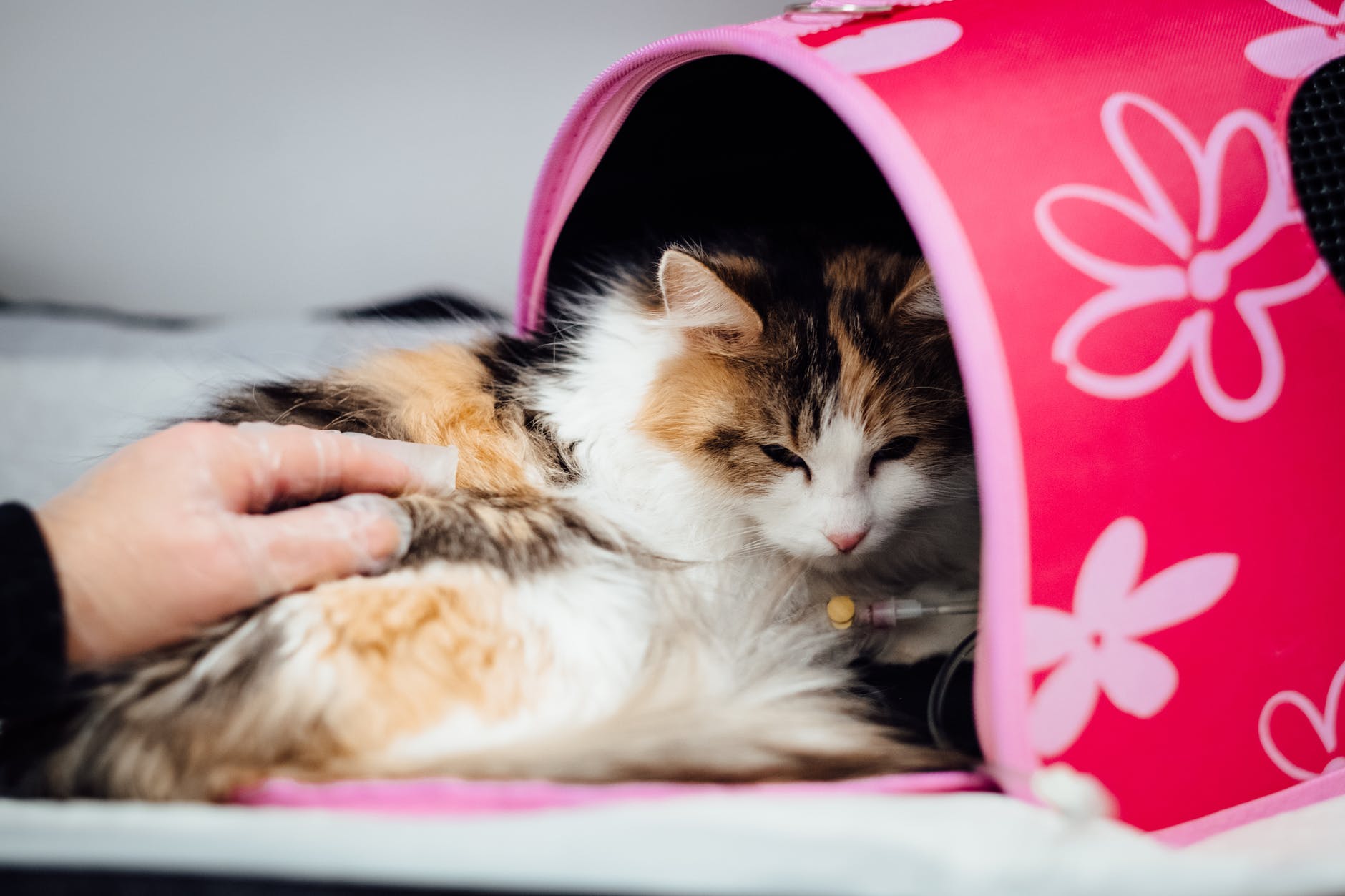
August 22 is Take your Cat to the Vet Day.  People are less likely to take their cats to the vet than their dogs.  According to a survey it would seem only two thirds of cat owners take their cats to the vet.  There are a couple of reasons:

  1. Dogs tend to be easier to transport
  2. Cats are not likely to listen to commands and behave the way the owner wants and therefore, need more prep time for a vet visit
  3. Cats tend to be more stoic than dogs – you may not even be aware that your cat requires veterinary attention

August 22 serves as a reminder to pet owners to take their cats to the vet for an annual checkup.  Here are some tips for taking your cat to the vet:

  • You may want to consider a cats only veterinarian if there is one in your area
  • Consider putting some of your cat’s bedding, or an item of clothing from the cat’s favourite person in the carrier – that way it smells familiar
  • Always use a carrier to transport your cat – the carrier should be the right size – not too big, not too small, and it should be clean and sturdy
  • You may want to cover the carrier with a blanket or towel while in the car
  • Carry and hold the carrier carefully, don’t swing it around or bump it into things
  • Once at the vet leave you cat in the carrier until the vet is ready to examine him/her in the examine room
  • Keep the carrier off the floor
  • If you cat has to stay overnight consider leave his/her favourite toy or blanket – home smells will help kitty stay calm

Pets are our best friends and if we want them to be around for a long time we need to make sure they get the care and attention they need.  On August 22 make an appointment to take your cat to the vet.

Share with us – Have you taken your cat to the vet this year?  Let us know on Facebook – https://www.facebook.com/BlackCatAppreciation?fref=ts

For more tips about taking your cat to the vet check out:

http://www.animalplanet.com/pets/less-stressful-vet-visits.htm

Black Cat Appreciation day

What is Black Cat Appreciation Day?

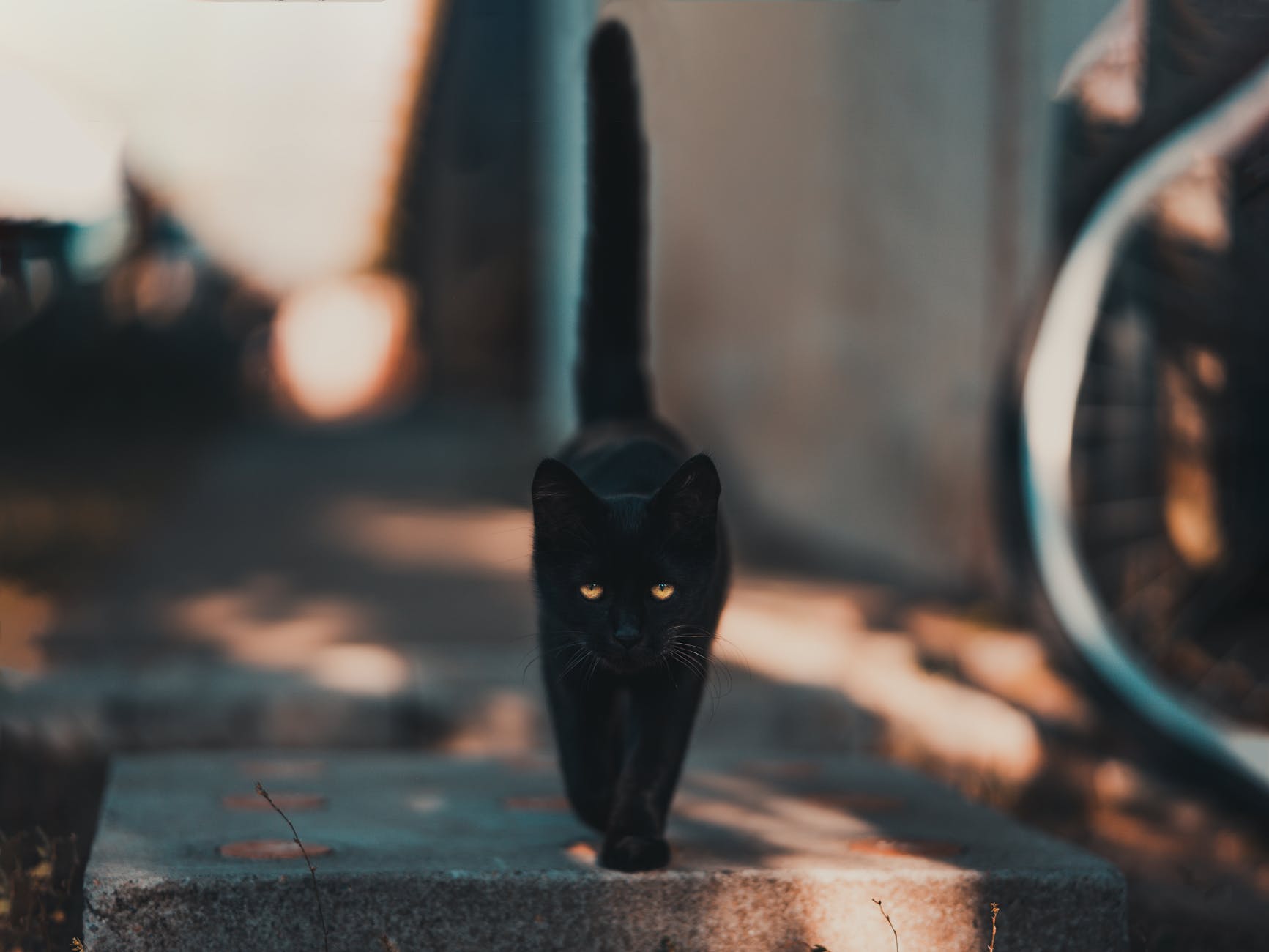
Black cats are the least adopted type of cat.  To raise awareness about black cats August 17 is Black Cat awareness day.  Black Cat Appreciation Day is a virtual event – people post to Facebook to express their appreciation for black cats.  It was started by Wayne Morris as a way to honour the memory of his sister and a family pet.

Why do Black Cats Deserve their own Day?

A lot of cultures consider the black cat to be good luck.  In Scotland black cats are said to be a sign of prosperity.  In Japan, black cats are considered good luck.  But in the west (particularly North America) black cats are still considered a sign of evil and bad luck.  This superstition has its root in European cultures – where much of the black cat superstition begins.  One black cat superstition for example says that it’s bad luck for a black cat to cross your path.  It seems that the number superstitions about black cats have motivated many people to avoid black cats all together.  As a result black cats are adopted far less frequently and euthanized far more often.  It looks like black cats have all the bad luck instead of being a cause of bad luck.

But black cats aren’t bad luck, and they’re not bad cats.  Looks of black cats are just as cute and cuddly as any other cat.

That is why we celebrate Black Cat Appreciation Day.  Shelters everywhere ask people to look past the colour when adopting a cat. 

Share with us: would you ever adopt a black cat?  Tell us on our Facebook page – https://www.facebook.com/DoonGo?ref=hl

Check out this infographic about cat adoptions to see where black cats rate: http://www.huffingtonpost.com/2013/10/21/black-cats-_n_4137673.html

If you’d like to read more about black cat superstitions check out: http://en.wikipedia.org/wiki/Black_cat

Check out this FB page for black cat lovers: https://www.facebook.com/BlackCatAppreciation?fref=ts

"Best dog poop bags ever and so friendly for the environment!"

Jonathan Y., Google Reviews

POOP BAG DEALS!

Sign up to get the latest coupons, offers and more...